

Is Remote Work the Great Equalizer?
When Covid-19 forced the world into lockdown in 2020, firms grappled with many challenges, chief among them the transition to remote work.
Luckily, for the team at Numeric, it was business as usual (or as usual as a global pandemic allows). As a remote-first company, our team had the structure and processes in place to continue our work, despite the difficulties around us.
Years later, most office workers have experience with remote work, and while many companies have embraced work-from-home policies, others push for a full return to the office.
However, bringing everyone back to the office may not be best for all employees, primarily women.
In a survey by FlexJobs, 68% of American women said they preferred fully remote work. In the same study, 60% of women and 52% of men stated they would leave their current jobs if they couldn’t continue to work remotely.
So why is remote work so popular amongst working women?
There are many reasons why working from home is preferable, but for women, there are a few specific reasons that make remote work more convenient and, in some instances, provide women with more opportunities for success. Below, we run through a few of these reasons.
Managing the Second Shift
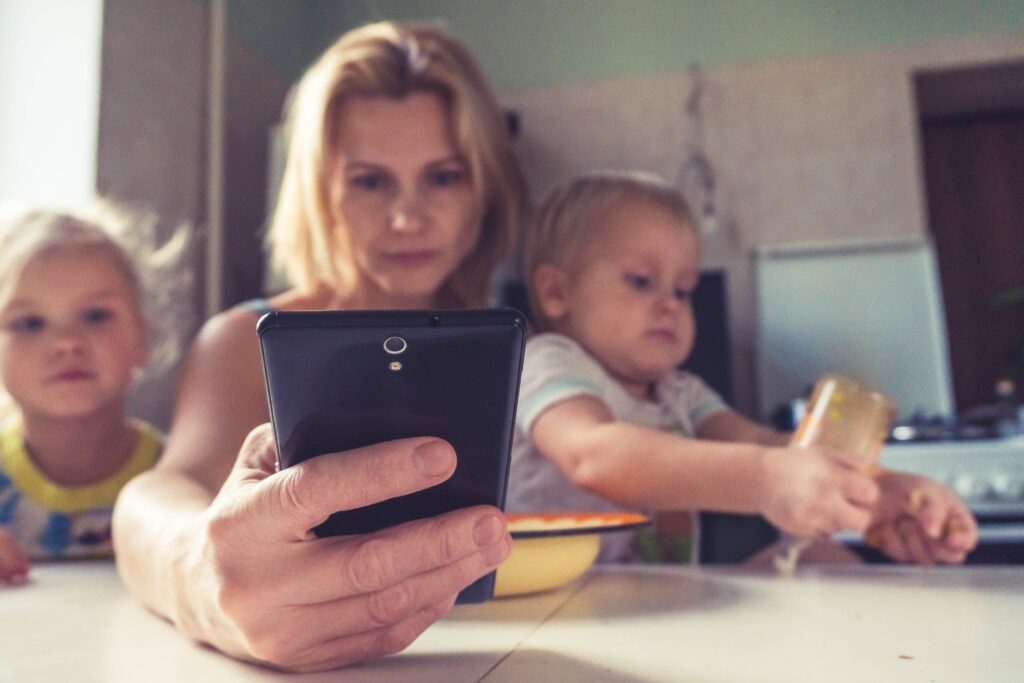
Despite many advancements in gender equality, women are still primarily responsible for the care of their children, even if they have a partner.
Coined as early as 1989, the second shift describes the work women perform at home after they return from the office. This includes everything from childcare to household financial management and daily chores.
When remote and hybrid work took hold, second shift responsibilities became woven into the workday for many. For some, this caused new stress from managing children while simultaneously working, but for others, the added flexibility offered real relief.
For example, one working mom wrote about her experience for Fast Company, detailing how remote work allowed her to breastfeed her new baby from the comfort and privacy of her home. Many other women have noted that remote work allows them to be more present for their children and gives them the flexibility to handle some second shift responsibilities during the day, freeing up their evenings substantially.
As companies continue to push return-to-office mandates, many women are concerned about losing that flexibility and work life balance. A 2013 Catalyst study found that when women didn’t have access to flexible work arrangements, they were more than twice as likely as men to downsize their career aspirations.
By offering remote work opportunities, more women who would otherwise be left out of the workforce, such as mothers, now have the opportunity to continue fulfilling their career aspirations.

The “Trailing Spouse”
Even without motherhood, many women, especially those in heterosexual couples, are more likely to relocate for a man’s job. The term “trailing spouse” refers to the person who follows their life partner to another city because of a work assignment. This often has to do with the types of jobs that men choose, including military service, making women more frequently the trailing spouse.
However, remote work opportunities allow the “trailing spouse” to stay in the same job even if they relocate for their partner’s career.
Remote work opportunities also allow women to select new positions that align with their career interests, rather than being limited to the city they currently live in. This could be why 80% of American women polled by FlexJobs ranked the ability to work remotely as an important consideration when assessing a new job opportunity.
Leveling the Office Playing Field
Even for women who are not mothers or in relationships, working remotely provides a few less obvious advantages.
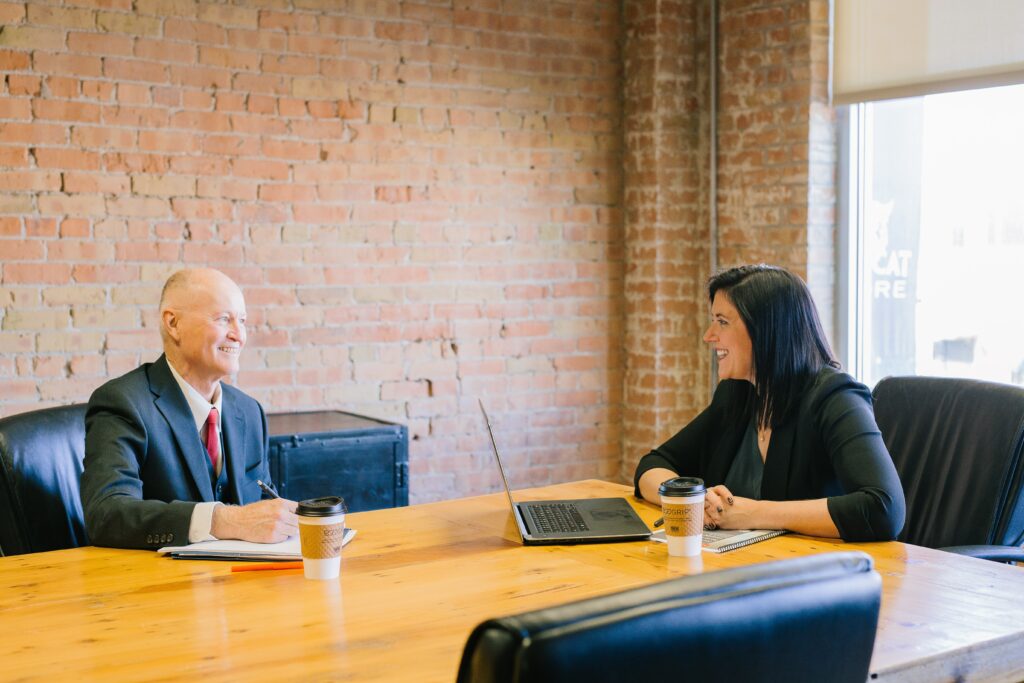
It is no secret that women in the workforce often encounter discrimination, sexual harassment, and prejudice. But recent studies have found that remote work tends to ease some of these burdens.
For example, multiple studies have found that taller people are generally more favored in work environments. Taller people, on average, make more money, hold more leadership positions, and feel more comfortable and secure in the workplace. Unsurprisingly, men tend to be taller than women.
With remote work, the playing field becomes more even when company meetings and face-to-face conversations take place over Zoom, where each person only occupies as much space as their computer screen.
Additionally, women in the workplace often complain about being verbally interrupted during meetings. Given that remote work relies primarily on written communication, there are fewer chances of being interrupted, allowing for more people to express their ideas and opinions.
Overall, it appears that women feel more comfortable remaining in work-from-home roles. Compared to traditional office roles, remote work allows women, at any stage of their career or life, the opportunity to have more control over their day-to-day schedules. But most importantly, remote work may have the potential to level out the office playing field, making firms more diverse and, in the long run, successful.
Join the Numeric Team
At Numeric, we’ve always had a remote-first approach because we’ve been able to make many stellar hires that simply needed the flexibility that a standard office 9-5 couldn’t provide.
If you’re looking for a remote position in accounting and financial management, consider reaching out to our team. We would love to meet you.